
LJUBLJANA’S GREEN ACHIEVEMENTS
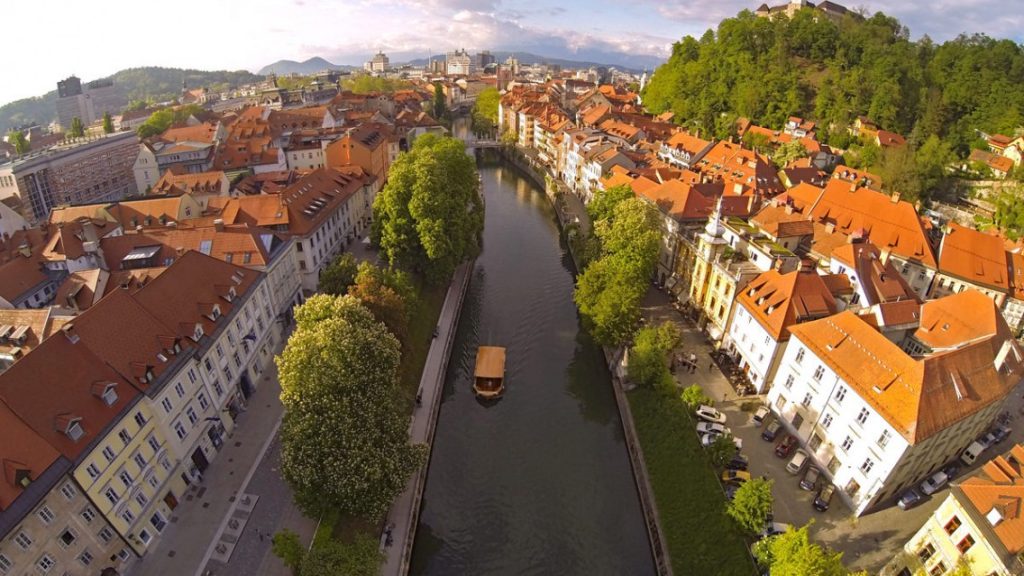
The decision to name Ljubljana the European Green Capital 2016 was based on the fact that of all the nominees, Ljubljana had made the largest number of changes in the direction of environmentally-friendly and sustainable development in the shortest period of time, precisely from 2007, when the Vision 2025 sustainability strategy was adopted, to 2014.
The city’s traffic policy encourages sustainable mobility solutions. 2012 saw the closing of the core city centre area for motorized vehicles. Urban cycling is rapidly increasing in popularity and the city’s cyclists thoroughly enjoy using the free BicikeLJ bike sharing network.
More and more public city buses in Ljubljana are fuelled by methane in order to achieve reduction in CO2 emissions. Electric-powered vehicles called Kavalir can be hailed for a free ride within the core city centre area.
Tap water in Ljubljana is potable without any prior technological treatment. Free drinking water from a large number of public drinking fountains is available in the city’s streets during the warm part of the year, from April to October.
Green facts about Ljubljana
- By 2020, Ljubljana plans to reduce CO2 emissions by 30%.
- By 2020, Ljubljana intends to achieve a modal split of one-third of public transport, one-third of walking and cycling, and one-third of private motor vehicle transport.
- The Ljubljana area is home to 161 bird species, 86 of them endangered.
- Ljubljana is the first capital of a European Union country to have announced a zero waste plan.
- Ljubljana has received several international awards for its mobility strategy and the accessibility of public spaces to mobility-impaired people.
Visitljubljana.com